Plan the commute.
Start with the job location, the shift times, and the transportation the worker already has. Identify which trips still need a ride.


WV · Employment transportation
A job offer can fall through when there’s no ride to the first shift. HELP is developing a rides-to-work pilot for WV families affected by foster care or addiction.
Explore the pilotOur work
The first question is when the shift starts. The next is how the worker will get home. The proposed pilot would build each ride around the worker’s schedule.
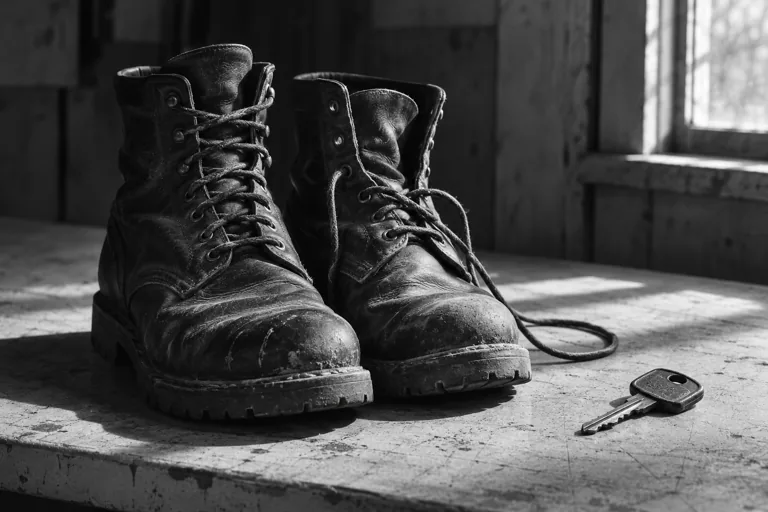
Start with the job location, the shift times, and the transportation the worker already has. Identify which trips still need a ride.
When a worker has a car but needs fuel, a gas card could cover the trip. When there’s no car available, the pilot could arrange a driver.
Ask whether the worker made the shift and what the rest of the week looks like. If the schedule changes, the ride plan may need to change too.
We plan to review ride records and employment follow-ups each quarter. We want to know whether workers made their shifts and whether they were still employed when we checked back.
Work with help
To help fund work trips, coordinate rides, or discuss a shift that workers struggle to reach, contact Travis Wooten.
twooten@helpwv.org